Dogs are more than just pets; they’re family members who deserve the best. But when it comes to their diet, many owners wonder which vegetables are safe and healthy for their furry friends. After all, no one wants to serve Fido a salad that could send him running for the hills—or worse, the vet!
What Vegetables Can Dogs Have?
Dogs benefit from various safe and nutritious vegetables. Carrots, for example, are low in calories and high in fiber, making them excellent for snacking. Green beans offer a crunchy texture while providing essential vitamins and minerals. Sweet potatoes boast a rich source of beta-carotene, which supports immune health.
Broccoli serves as another healthy option, packed with vitamins C and K. Spinach has antioxidant properties and promotes overall health. Pumpkin, often included in dog food, aids digestion and helps with weight management.
Peas, whether fresh or frozen, contain vitamins A, C, and K, while also being tasty for dogs. Cucumbers can offer a refreshing crunch, helping with hydration. Zucchini is low in calories, fitting well into a dog’s balanced diet.
Fiber-rich vegetables contribute to digestive health. Most dogs enjoy vegetables when introduced gradually. It’s important to avoid starchy vegetables like corn and certain members of the onion family, which can be toxic to dogs.
Introduce any new vegetables slowly to monitor for adverse reactions. Cooked options provide easier digestion, while raw choices maintain maximum nutrients. Always consult a veterinarian for personalized dietary advice.
Safe Vegetables for Dogs
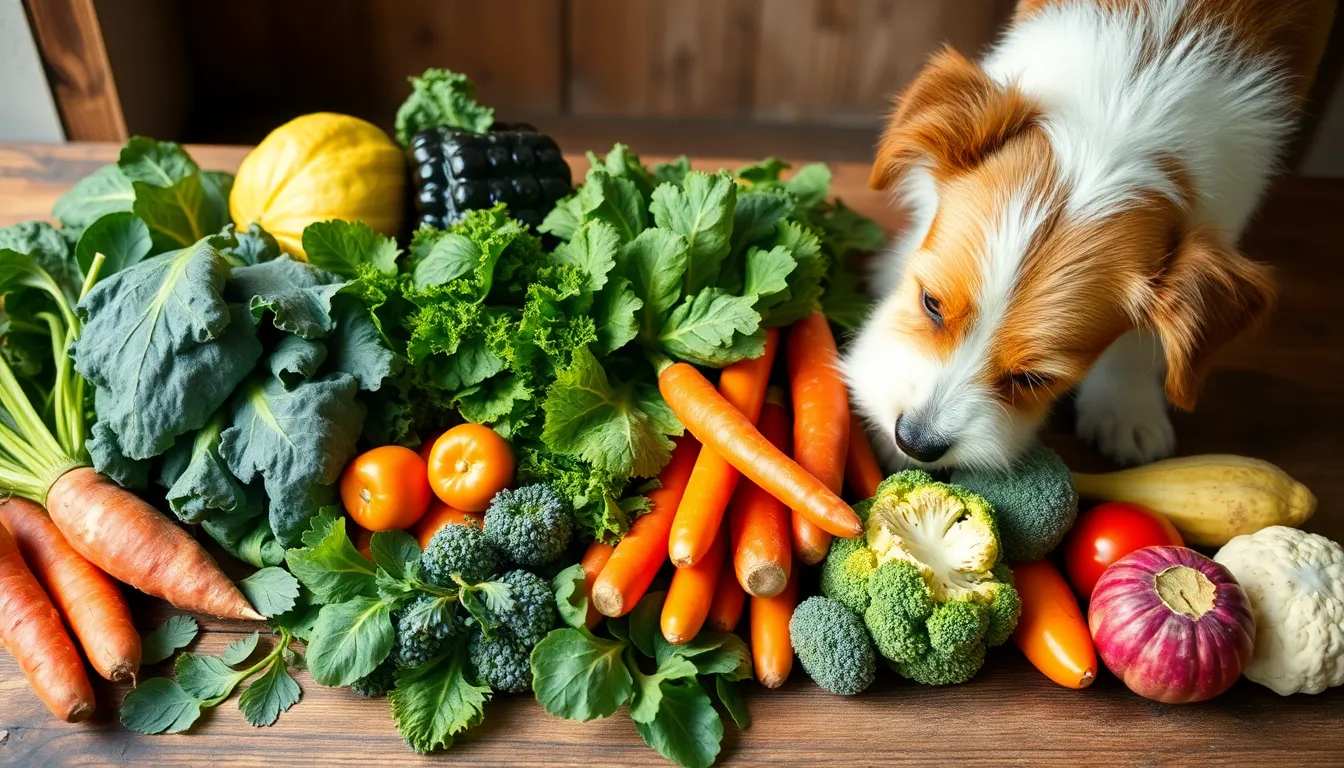
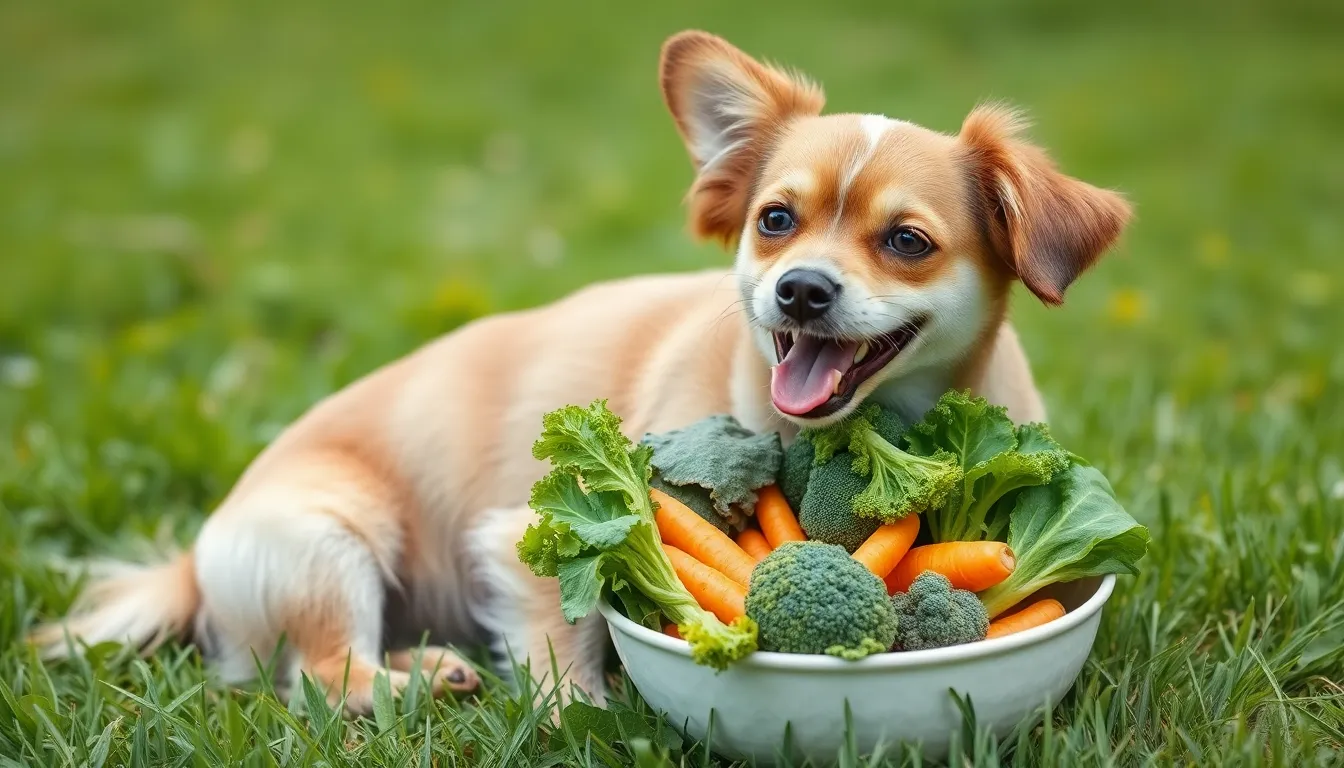
Choosing the right vegetables can enhance a dog’s diet while ensuring their safety. Several vegetables offer nutritional benefits and can be included in their meals.
Leafy Greens
Leafy greens provide vitamins and minerals essential for dogs. Spinach and kale are popular choices. Spinach is rich in iron and vitamins A, C, and K. Kale offers high levels of vitamins K and C, along with fiber. Dogs benefit from the antioxidants found in these greens, which help fight inflammation. Introduce leafy greens in small amounts and monitor your dog’s reaction.
Root Vegetables
Root vegetables make excellent additions to a dog’s diet. Carrots contain beta-carotene and help with dental health. Sweet potatoes provide a rich source of vitamins A and C, along with fiber that supports digestion. It’s important to cook root vegetables to enhance digestibility and nutrient absorption. If introducing these foods, start with small portions to assess tolerance.
Cruciferous Vegetables
Cruciferous vegetables offer a unique set of benefits. Broccoli is rich in antioxidants and fiber. Cauliflower can serve as a low-calorie treat. These vegetables can boost immune function and promote overall health. When serving cruciferous options, ensure they’re cooked since raw forms might cause gastric distress. Always keep portion sizes moderate to avoid digestive issues.
Vegetables to Avoid
Certain vegetables pose risks to dogs and should be avoided entirely. Identifying these vegetables is crucial for maintaining a dog’s health.
Toxic Vegetables
Onions, garlic, and chives belong to the Allium family and are highly toxic to dogs. These vegetables can damage red blood cells and lead to anemia. Even small amounts can cause serious health issues. Similarly, mushrooms can result in severe consequences, depending on the variety. Some contain toxins that can cause liver failure or other life-threatening conditions. Additionally, green tomatoes and raw potatoes contain solanine, a substance harmful to dogs. Ensuring that these vegetables remain out of reach is essential for pet safety.
Harmful Effects
Ingesting toxic vegetables can lead to various health problems in dogs, ranging from mild to severe. Symptoms like vomiting, diarrhea, and lethargy may indicate gastrointestinal distress after consumption. Anemia may develop as a result of onion or garlic ingestion, which decreases a dog’s ability to fight infections. Seizures and organ failure can occur from eating certain mushrooms. Recognizing these signs quickly is vital for timely veterinary intervention. Immediate action can prevent long-term health complications and ensure a dog’s well-being remains prioritized.
Preparing Vegetables for Dogs
Dogs can enjoy a variety of vegetables, but preparation plays a crucial role in ensuring safety and nutritional value. Proper cooking methods can enhance digestibility, while raw options may retain maximum nutrients, making them a great addition to a dog’s diet.
Cooking vs. Raw
Cooking vegetables like carrots or sweet potatoes enhances digestibility for dogs. Steaming or boiling often preserves nutrients while softening the texture. Raw vegetables, such as cucumber or broccoli, offer crispness and freshness, providing essential vitamins and fiber. Monitoring a dog’s reaction during the introduction of either option proves beneficial. Some dogs may need time to adjust to raw vegetables, while others thrive on their crunchy texture. Both cooking and raw preparation methods serve important roles, depending on the vegetable and the dog’s health needs.
Serving Suggestions
Serving vegetables in appropriate portions ensures that dogs derive maximum benefits. Start with small amounts, gradually increasing as their tolerance develops. Chopped pieces of vegetables like peas, carrots, or green beans make for easy snacking. Mashed sweet potatoes could serve as a tasty addition to meals. Avoid overwhelming dogs with larger chunks, as smaller sizes enhance ease of consumption. Mixing vegetables into regular meals ensures varied nutrition, while maintaining engagement in their diet. A balanced approach ensures dogs experience the advantages of the vegetables provided.
Health Benefits of Vegetables for Dogs
Incorporating vegetables into a dog’s diet yields numerous health benefits. Nutrient-rich options provide essential vitamins and minerals crucial for overall health. Carrots support eye health due to their beta-carotene content, while leafy greens like spinach enhance immune function with antioxidants.
Fiber from vegetables aids in digestion, promoting regular bowel movements. Dogs benefit from consuming sweet potatoes, which deliver dietary fiber and help maintain healthy gut flora. Green beans offer low-calorie snacking, ideal for weight management and promoting satiety.
Cruciferous vegetables, such as broccoli, serve as excellent immune enhancers when cooked properly. Cooking reduces potential gastric distress caused by raw cruciferous types. Moreover, peas supply protein and a variety of vitamins beneficial for energy levels.
Vegetables can also play a role in dental health. Chewing crunchy options like carrots helps remove plaque and supports healthy gums. Cucumbers hydrate dogs while providing minimal calories, making them a refreshing treat.
Lastly, incorporating vegetables can encourage healthy habits. Offering a variety of vegetables keeps meals interesting and fosters a positive relationship with food. Gradually introducing new options helps dogs adjust and minimizes the risk of digestive upset. Ultimately, the right vegetables contribute significantly to a dog’s well-being, enhancing their overall quality of life.