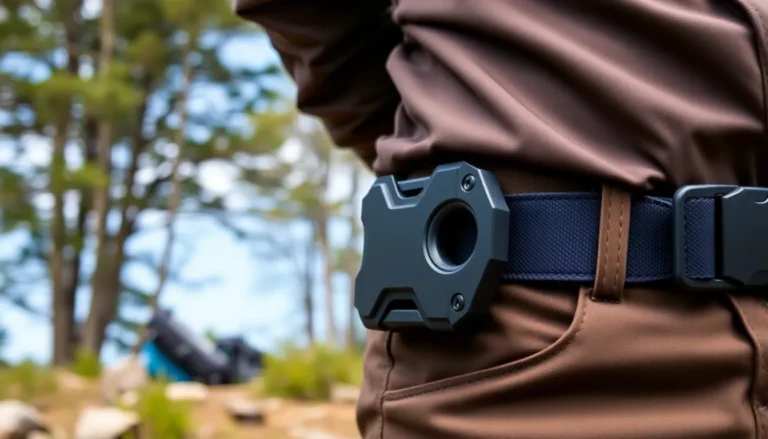
In a world where technology evolves faster than a cat video goes viral, flame tech is heating things up like never before. Imagine a gadget that not only makes fire but also makes it smarter. Whether it’s for cooking, camping, or just impressing your friends at the next barbecue, flame tech is here to ignite your passion for innovation.
Overview of Flame Tech
Flame tech represents a significant advancement in ignition devices. This innovative technology integrates sophisticated features and materials for increased efficiency. Users experience enhanced safety measures while utilizing flame tech in diverse settings such as outdoor gatherings and indoor cooking experiences.
Flame tech applies cutting-edge engineering techniques, allowing it to adapt to various tasks. Versatility defines these gadgets, catering to activities ranging from grilling to heat applications in professional environments. Customizable settings contribute to its appeal, providing tailored flame outputs for specific needs.
Technological integration further elevates flame tech. Many devices connect to smart applications, enabling users to monitor and control operations remotely. The convenience of remote access allows for precise management during cooking or recreational activities.
Market demand reflects the growing popularity of flame tech. Consumer interest prompts manufacturers to innovate continually, enhancing features while maintaining usability. Eco-friendly options emerge, incorporating sustainable materials and energy efficiency without compromising performance.
Price points vary, accommodating different budgets while ensuring accessibility. Features such as refillable fuel tanks and adjustable flames attract eco-conscious users seeking both function and sustainability. Collectively, these elements highlight flame tech’s potential to transform everyday activities into efficient, enjoyable experiences.
Applications of Flame Tech
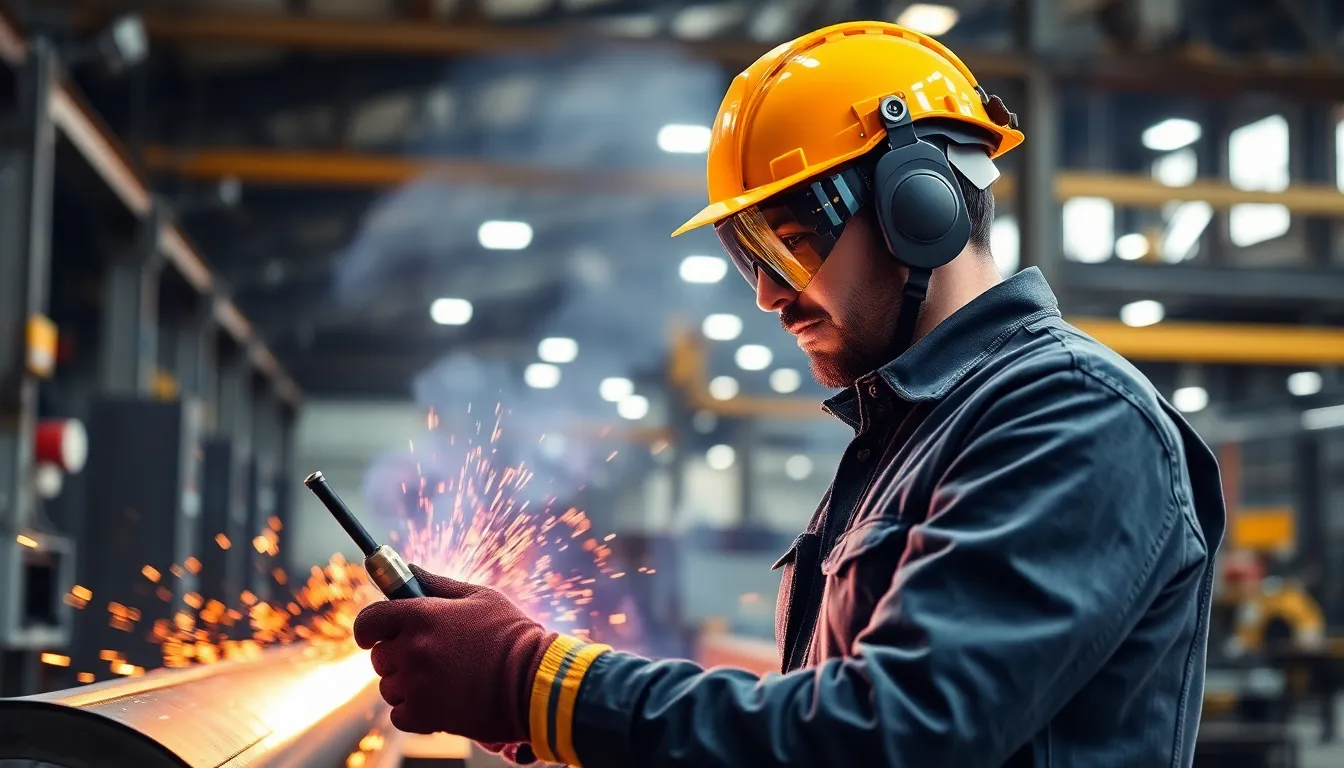
Flame tech finds utility across various fields, showcasing its versatility and innovation.
Industrial Uses
Flame tech plays a vital role in industries such as construction and manufacturing. Welding operations benefit greatly from advanced flame tech devices that provide precise and adjustable heat. This technology facilitates tasks like metal cutting and joining, streamlining operations with increased efficiency. Additionally, heating equipment in manufacturing processes often relies on flame tech for optimal performance. Safety mechanisms integrated into these devices reduce accident risks, making industrial environments safer.
Environmental Impact
Flame tech contributes positively by promoting eco-friendly practices. Many devices now utilize renewable fuels, minimizing carbon footprints and aligning with global sustainability goals. Advanced designs also reduce fuel consumption, resulting in lower emissions without sacrificing performance. Innovations in flame tech reflect a commitment to environmental stewardship, appealing to eco-conscious consumers. By prioritizing efficiency and sustainability, flame tech helps transform traditional practices into environmentally friendly solutions.
Advantages of Flame Tech
Flame tech offers significant advantages in various aspects of functionality and usability. Enhanced safety features reduce risks associated with traditional ignition devices, making them suitable for both novice and experienced users. Efficiency stands out as another benefit, with optimized fuel consumption resulting in longer usage times and reduced operational costs.
Customization options allow users to adjust flame settings based on specific requirements. This adaptability proves beneficial in diverse environments, whether for grilling at a backyard barbecue or performing precise tasks in industrial scenarios. Portable designs further enhance convenience, facilitating easy transport for outdoor activities and professional applications.
Technological integration enriches user experience. Many flame tech devices connect seamlessly to smart devices, enabling remote control and monitoring. Such capabilities provide an added layer of convenience, especially during complex cooking processes or when multitasking.
Sustainability represents a critical advantage of flame tech. Utilizing eco-friendly fuels aligns with environmental goals, appealing to consumers who prioritize green solutions. Renewable fuel options and reduced emissions showcase a commitment to sustainability without sacrificing performance.
Lastly, market accessibility enhances the appeal of flame tech. Varied price points cater to different budgets, making innovative flame devices available to a broader audience. These elements combine to make flame tech an attractive choice for anyone looking to elevate their cooking or heating experiences.
Challenges and Limitations
Flame tech faces several challenges that impact its adoption and functionality. Safety concerns remain a priority, as any device that generates heat poses risks if misused. Users may encounter accidents if they do not follow instructions closely.
Durability can also be an issue. Many flame tech products use lightweight materials, which might not withstand harsh conditions. This limitation affects long-term effectiveness, particularly in outdoor environments.
Cost represents another barrier. Some advanced flame tech devices feature high price points due to innovative designs and technological integration. Consumers with limited budgets may find it difficult to invest in these features, despite their advantages.
Sustainability poses its own set of challenges. Not all flame tech products utilize eco-friendly fuels satisfactorily, which contradicts the increasing demand for green alternatives. Manufacturers must commit to balancing performance with environmental impact.
Compatibility with existing technologies can create obstacles as well. Users often expect devices to connect seamlessly with smart applications. When products lack compatibility, frustrations arise, leading to dissatisfaction among consumers.
Maintenance requirements should not be overlooked. Some flame tech devices require regular upkeep to ensure optimal performance. Users might struggle with these maintenance tasks, deterring them from long-term use.
Despite these challenges, flame tech continues to evolve, with manufacturers addressing limitations proactively. Innovations in safety features, durability improvements, and cost reductions may arise in response to market demands. Industry stakeholders recognize these hurdles as opportunities for further development, ensuring flame tech remains a viable option in various settings.
Future Trends in Flame Tech
Emerging trends in flame tech signal significant advancements in performance and sustainability. Manufacturers increasingly focus on developing devices that utilize renewable fuels, reducing emissions while maximizing efficiency. Innovations in materials contribute to durability, ensuring that devices withstand varying environmental conditions effectively.
Integrating artificial intelligence into flame tech devices appears promising. Smart sensors will enhance temperature regulation and fuel consumption, allowing devices to adapt automatically during use. Connectivity with mobile applications continues to rise, enabling users to monitor and control their devices remotely, which increases convenience and efficiency.
Customization features are set to expand, allowing users to fine-tune flame output for diverse cooking styles and needs. Enhanced safety features will likely become standard, reducing risks associated with traditional ignition devices, thus appealing to a broader user base. Companies are expected to explore designs that prioritize portability and versatility, catering to outdoor enthusiasts and professional users alike.
Market trends suggest that eco-conscious consumers will drive demand for energy-efficient products. Companies committed to sustainability will gain competitive advantages. Prices will likely remain varied, ensuring accessibility while attracting budget-conscious shoppers.
Collaboration between manufacturers and tech developers indicates potential breakthroughs in flame tech efficiency and functionality. As demands evolve, the industry will adapt, focusing on enhancing user experience and prioritizing safety and environmental responsibility. These trends collectively position flame tech as a pivotal player in both personal and professional applications.
Flame tech is poised to redefine how individuals approach cooking and heating tasks. Its innovative features and adaptability cater to a wide range of applications, making it an essential tool for both casual users and professionals. As the industry continues to evolve, the focus on sustainability and efficiency will further enhance its appeal.
With advancements in smart technology and eco-friendly practices, flame tech not only meets modern demands but also aligns with the growing consumer preference for green solutions. The ongoing commitment to safety and durability ensures that these devices remain reliable and accessible for everyone. As manufacturers strive to overcome existing challenges, the future of flame tech looks bright, promising exciting developments that will elevate user experiences across various settings.